Make Your Own Oil/Varnish Blend


This article was inspired by a question from Brian. He writes:

I recently watched a woodworking show on TV. The cabinet maker used a mixture of linseed oil, tung oil, and polyurethane for the finish. He stated that he bought it off of the shelf. I can’t seem to find anything like it on the internet. Do you know of any product like this, or do I have to mix it myself? If I have to mix it, what is the ratio?
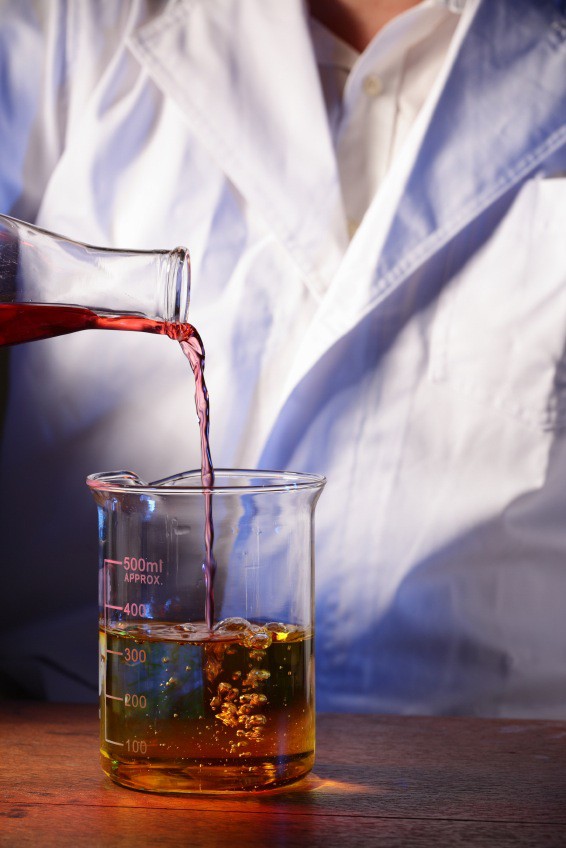
Making your own oil/varnish blends is a great way to save money. You can buy things like boiled linseed oil and mineral spirits in large gallon jugs, and then purchase the varnish as needed. The standard mixture is 1/3 Boiled Linseed Oil or Tung Oil, 1/3 thinner (mineral spirits, paint thinner, turpentine, naptha), and 1/3 varnish (poly, spar, etc..).

Now the blend mentioned in Brian’s question involved using both linseed oil and tung oil. That’s a bit redundant. I think its better to have a varnish component in the mixture for extra durability, unless you truly want an oil-only finish.

Another advantage to mixing your own home brew is the fact that you will have total control over the finishes properties. Want a more close to the wood look and feel? Add more oil. Want more protection? Add more varnish. Want to make the finish easier to spread around the surface? Add more thinner. The possibilities are endless and you’ll be able to customize the finish to your needs and the needs of the project.
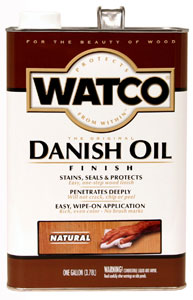

If you prefer to buy the finishes pre-made, take a look at some of the commercial oil/varnish blends like Waterlox, Minwax Tung Oil Finish, and Watco Danish Oil. And for more information on oil-based finishes, check out our video: Oil-Based Finish Basics.


113 Responses to “Make Your Own Oil/Varnish Blend”

  1. Jon Fogle says:

    Yeah,

    I read somewhere (long ago) that this mix (boiled linseed oil, turpentine, and spar varnish in equal proportions) was a favorite of Sam Maloof. Because I don’t have a dedicated finishing area this finish works great in my less than dust free shop. It does, however, take several days to build up 3 or 4 coats.

    • Douglas Schubert says:

      I believe you are referring to David Marks.I talked with him several years ago about this finis, it is called Seal A Cell.
      It is available at Woodcraft among other places. It is an easy to use wipe on finish. Applying 3-6 coats will give you a beautiful and durable finish.

  2. nick says:

    how about just 50/50 varnish and mineral spirits? used that just fine on a project

  3. Hey Nick. That basically just a wiping varnish formulation. Thats one of my favorites. Dries faster and offers more protection. But some people like the addition of the oil as it becomes a more “close to the wood” finish. But as long as you dont apply too many coats, the wiping varnish will produce a similar finish.

  4. Jeff Jackson says:

    Sounds like someone found WoodWorks.

  5. Shawn DuGay says:

    Marc,

    You apprenticed with David Marks…I heard that he actually uses the Waterlox wipe-on product. Is that true?

  6. I cant say for sure what he’s using now, but he used to use General Finishes Seal-a-Cell followed by General Finishes Arm-r-Seal.

  7. Frank says:

    The BLO, tung,poly mix comes from Rockler. I went there looking for the individual components and saw it with Sam Maloof on the label. It works great for me, but I’m dummy and was following Dave Knipfer’s Rude and Crude method. Where can I learn my finishing options? I make bandsaw boxes and the finish takes 5 days counting lining the drawers.

    Your site Rocks, by the way.

  8. Ron says:

    what might be better for a sofa table the wiping varnish formulation or the seal-a-cell/arm-r-seal combo?

  9. Frank- Your best bet is one of the classic finishing reference books in The Wood Whisperer Store. They will generally outline all of your finishing options. Using a wiping varnish would speed up your finish process.

    Ron- The Arm-R-Seal is a wiping varnish itself. So you are starting with an oil/varnish blend (seal-a-cell), and top coating with a wiping varnish.

    Many people think you can just go right to the wiping varnish and save time. Using both seal-a-cell and arm-r-seal will not improve the durability. It just changes the look. I would try both methods on scrap to see if its worth the extra effort and time to use the Seal-a-Cell.

  10. Pops says:

    This is also my favorite finish. 1/3 tung oil, 1/3 boiled linseed and 1/3 polyurethane. This is the Sam Maloof finish. Builds quicker than the formula with mineral spirits. You can maintain with 1/3 linseed, 1/3 tung and 2 handfuls of shredded beeswax.

  11. John says:

    500 ml boiled linsee, 250 ml spar varnish — Danish Oil
    250 ml polyurethane, 250 ml spar varnish — super Danish oil
    Source, A polishers Handbook, Neil Elllis http://ubeaut.com.au/
    The book’s worth reading.

  12. terrence sime says:

    I have been using 1/3 turpentine, 1/3 polyurethane and 1/3 boiled linseed oil on a padauk dining table. I have been told to let it sit for an hour and wipe excess. I have also been told to let it sit and dry for as long as it takes. Which method is best?

    • thewoodwhisperer says:

      Hmm, I would say neither. An oil varnish blend on padauk is a recipe for trouble. The natural oils in the padauk will prevent the oil-based finish from drying properly. Adding Boiled Linseed Oil to the mix makes that problem even worse. So I am afraid that if you try either of those methods, you’ll be looking at a tacky surface for days, if not longer. Whenever I finish an oily wood with an oil-based finish, I like to pre-seal the surface using Bullseye SealCoat. Its a dewaxed shellac that helps to seal off the oil. As a result, it also prevents deep absorption of oils in the finish. So I would probably leave the BLO out of the mix, and just apply thin coats of a wiping varnish (poly + turpentine). Only apply a couple coats if you are looking for a more natural look. Apply more if you want more protection.

      • joanne says:

        What do you think about a 1/3 turpentine, 1/3 spar varnish and 1/3 linseed oil for finishing a fir table top. We’re wondering how long to let dry between coats. Thanks for the advice, glad I found your site.

        • thewoodwhisperer says:

          A finish like that should be fine on fir. I would let the mix dry overnight after each coat. Of course if its warm and relatively dry, things may dry faster. But no harm in letting it dry longer. If you lightly sand between coats and you notice that you aren’t producing powder, and instead you are gumming up your sandpaper, its not ready yet.

        • Mark says:

          I’ve been using Spar Varnish and Linseed Oil and Turpentine mixture for…since the 70′s and never had a problem with it. The Proportions are not important. A first coat maybe 50% Varnish and complement the rest with 25-25 Oil and Turpentine. Then thin the varnish if necessary with Turpentine for successive coats.

          The key to this finish is to wipe off the excess when it becomes tacky. Then go over it with a second rag to wipe it dry. You want to build up fine coats of Varnish, dust is not a problem. If you get ahead of yourself and it begins to tacky-up before you’re ready just add another coat of finish and it will soften it so it can be wiped. Be careful around details to make sure you get all of the finish off. Once that is done set it aside for 24 hours to dry thoroughly. Then re coat. (3-5 coats depending on use.) Top it all with Beeswax, turpentine and linseed oil and you got yourself a fantastic finsih. Briwax makes a wax like this or you can mix it your self.

  13. Kim Chalos says:

    I have a padauk handbag I carved and found the recipe for trouble you mentioned by finishing it with an oil varnish mix. Can I fix this problem by sanding then sealing then a wiping varnish or will the oil(3 coats) already applied seep through and prevent the sealer from working correctly?

    • thewoodwhisperer says:

      I would probably sand it back and make sure the surface isn’t tacky at all. Then apply a sealer coat of dewaxed shellac. That should seal off the natural oils and give you a good surface for applying a wiping varnish. But I would probably skip the oil in that mix and just use varnish and mineral spirits.

  14. Mark says:

    If you want a really dependable Varnish finish that’s quick to apply and drys in minutes try. 1. Sherman Williams gloss quick dry varnish and 2. 50% Naptha. Its quick and dust free. You can put 3-4 coats in a day.

    Now there are two other Quck dry Varnishes one is by Zinsser and another by Benjamin Moore.

    You can put as many coats on as you think necessary, sand lightly between coats 400 grit, wipe down and reapply. before the final sand and wax let set for about 3 days.

    The appliator is really special, one sheet of Viva Paper towels. Now the kicker is this, use a paper towel that does not have any embossed patterns, the Viva is smooth and works really well, this is a personal choice and the choice is yours.

    Mix up what you think you will need and put it in a squeeze bottle, from the hardware store. Use the bottle as an applicator to the pad and start in the back by the time you have 3 swipes recharge the pad, oh and the first three swipes will be dry to the touch.

  15. brian says:

    i am finishing a desk that i made. the finish layer of wood is a sheet of luan. i thought it was poplar now im not sure. It was time for my first nice-wood finish.

    first i gave it a full BLO soak,(finger-wiped on) and wiped off with a rag after about 10-30 minutes, and let it dry for about 6-7 days. then i repeated this 3 or 4 more times with a 50/50 BLO Turpentine mix to increase drying time, which i shaved off by a day or two atleast for each coat.

    i thought it would be nearing completion until i did more reading. i realized the BLO would not fully cure, and would need re-finish annually, and would be subject to mold. my initial aim was to give as many coats of BLO as possible to fill in the grain. i guess this wasnt going to accomplish this.

    Then a trip to local hardware store, after reading these articles, landed me some gloss polyurethane. i chose a wiping mix of 50%BLO, 25%urethane, 25% turpentine, then the 2 successive coats about 40%BLO, short of 25% urethane, and rest turpentine(according to “Mark” using slightly more turpentine) i hoped this would start filling in the grain, but it doesnt look like it did much.

    i used 0000 steel wool between most coats, especially for the urethane coats, and for a bit tried 220grit sandpaper as well.

    Well, i thought i was done now all i need to do is burnich that last 3rd coat of wiping varnish with the steel wool, then what? i cant fathom mixing bees wax with BLO to put on top, i thought mixing with urethane was enough.

    can i do more coats of the urethane mix to fill in the grain? shoudl i be using 0000steelwool for the grain fill in effect as well?

    then to finish it, cant i just straight wax it? i have some “howards” orangewood bees wax oil.

    not sure about those last two steps (fill in grain better, then wax?)

    • Hey Brian. In general, filling pores with finish isn’t really the best idea. As you noticed, it doesn’t really work all that well. And even if you do manage to somehow fill all the pores, they are likely to show up some time as the finish completely cures. So what I would recommend is using a pore filler. Or you can always try the more “natural” pore filler by wet sanding the wood with the oil/varnish blend to create a slurry that does the filling for you.

      You have lots of options for pore-filling if you are starting fresh. But with the current piece, it sounds like you have a number of coats. So what I might try as a compromise is to either do a wet sanding with the oil varnish blend, or go pick up an oil-based clear pore filler. With any luck, you’ll be able to fill the remaining pores and add one or two more coats as a topcoat and you’ll be good to go.

      I will warn you though, at this point you may begin having trouble with your oil/varnish blend drying. After a certain number of coats, the wood is pretty much sealed up. And oils have trouble drying. So a thinned varnish might be the way to go on that final coat or two.

  16. Andy Cordell says:

    I was going to use a 50% turpentine, 16% linseed oil and 34% spar vanish mixture to finish an outdoor oak bench that will be exposed to sun and rain all year round. I have used this mixture for years after I read about it in Fine Wood Working. Any suggestions or comments would be realy appreciated.

    • Hey Andy. Sounds like a reasonable mix to me. Although I would probably round it to 50% turps, 10% BLO, and 40% spar varnish. Makes the measuring much easier and puts a little more varnish in the blend, which is always good for outdoor protection.

  17. Shaun Bennett says:

    Hi, I build custom percussion instruments out of high grade Maple plywood. I’ve always brushed on Minwax Fast Drying Polyurethane. I’ve slowly grow to dislike the look of straight polyurethane. It looks like plastic and i’m ready to branch out into a new finishing technique. What do suggest for maple plywood? Should I try one of the mixtures that everyone’s raving about? I need some guidance.

    • Hey Shaun. If you want more of a close to the wood look, then this finish might be the key. You can apply several light coats to the surface, and you’ll end up with a reasonable amount of protection without having that thick plastic coating. But if you are still looking for a film, just a nicer-looking film, it might be time to take a look at lacquer and shellac. And HVLP might be a good idea as well.

  18. Shaun Bennett says:

    Thanks for the quick response. I think this finish will work great. Is there a how to on how to apply this finish? Also should I use the tung oil, linseed oil, and poly mixture or the tung oil, mineral spirits, and poly mixture? There’s been a debate between the two.

    • Well, as mentioned in the original article, I like the oil, thinner, and varnish blend. Doesn’t matter which oil you use. I’m not sure why some folks like to use two different oils in the mixture. Seems wasteful to me. BLO is cheaper so I would say the best bet is BLO, mineral spirits, and poly.

      • Strolgen says:

        Can the poly be water base one? What about substituting the poly or vanish with dewaxed Shellac Clear seal…
        If I sound stupid sorry ! I’m just looking at what I have readily available in the garage.

        • Hey Strolgen. This formula is for oil-based poly only. You also don’t want to mix in shellac. In the world of finishing, we typically confront 4 groups of finishes that are based on their respective thinner. For best results, you don’t really want to mix one group with another. The groups are water-based (thinned with water), oil-based (thinned with min. spirits, naptha, paint thinner, turpentine, etc), lacquer (thinned with lacquer thinner), and shellac (thinned with denatured alcohol).

  19. Shaun Bennett says:

    Thanks for the advice. Should I just wipe this on and let it dry overnight and then sand in between coats?

    • Oops forgot to answer that earlier. Yes basically wipe on, let it soak for a minute or so, then wipe off the excess. You want the surface to look wet, but without having a thick layer. So its not a bad idea to do the wipe off with a clean rag. And yes, sand between coats. Also consider sanding durning the application. I have done this in the past using 320 or 400 grit wet/dry paper. Just sand the oil into the surface and the wipe the excess off with clean rag. Produces a pretty darn smooth finish.

  20. Shaun Bennett says:

    Thanks for all of your wisdom and I’ll definitely try this finish. Could point my to a resource or video that shows the purpose for different types of joints? Right now, I’m just gluing right angles without a joint to connect them. I usually roundover that corner, so I may need a specific type of joint. Thanks for your advice.

  21. Zola says:

    Hello woodwhisperer

    we have a small deck and were told to apply linseed oil mixed with thinners every 6 months? What should the proportions be and should we add anything else to it. It does rain a lot where we are so, what should we use to seal the wood better.

    thanks for the advice

    • Hey Zola. I always find it difficult to make recommendations for decks. The wide variety of environmental conditions added to the fact that a deck is really a torture test for wood, make it tricky. And what we might do to protect a vertical surface, like a door or window casing, may not be the best option for a horizontal surface that will be walked on. And most of my personal experience is with small furniture pieces where you can use a relatively expensive finish. For instance, CPES (Clear Penetrating Epoxy Sealer). This stuff is great for outdoor projects, but it would likely be cost prohibitive for a deck. Now some folks believe that the best finish is one with pigments, in other words, paint. The pigments block the sun and the finish completely locks out moisture. But what if you don’t want a painted deck?

      Other folks believe you should go bare and let the wood age naturally. But really this is only an acceptable solution if you are using a truly outdoor-friendly wood like teak or ipe, which I am assuming you are not.

      So I know I gave you a lot of choices there, but there really is no sure fire right answer. But to answer your question, I would dilute the Boiled Linseed Oil by about 25% with mineral spirits. That will make it much easier to wipe into the wood. Let the first coat soak in and cure for several days (don’t leave any standing oil on the surface). Then come back and apply a second and maybe even a third coat.

      OK so finally, if it were my deck, here’s what I would do. I would buy some CPES and use it to seal up the end grain of each board I had access to. 2-3 coats should do it. If the deck is small enough, I’d use CPES on the entire thing. But if that’s not an option, I would then resort to a similar finish I used in this video for the rest of the deck:
      http://thewoodwhisperer.com/ep.....or-finish/

  22. Mark C says:

    I am finishing heart pine flooring — not furniture but still nice. I used Behr ‘tung oil’ in the past which was a linseed, tung, something else mix but it worked very well with paste wax added on top. They don’t offer that anymore. Looking at your original answer in this article I am more confused in trying to recreate a similar mixture to the Behr product. For the flooring I’d want the darkening aspect of the blend of oils but also want the ease to apply, speed to dry, and low gloss. What would you recommend to get that?

    • Do you have a link or anything I can see that will tell me more about the product? You can probably recreate something similar but I would need more info on exactly what was in their product.

  23. Mark C says:

    There isn’t a website that describes it but I did find an old can which says “..with linseed oil, tung oil and wax.. fortified with ultraviolet inhibitors and water repellants…”
    I don’t really care about the ultraviolet inhibitors and imagine the water repellant is the oils themselves.
    When I used this before it was very liquid and I used a brush to ‘paint’ it on, waited 20 minutes and wiped up the excess, lightly buffed and repeated. I waited a day and put paste wax down and buffed that and it lasted for 15 years with little wear noticeable.

    • Well I doubt you’ll be able to recreate that exact formula, but a simple boiled linseed oil, varnish, mineral spirits mix might do the trick. I would use the formula outlined in this article, only substitute and outdoor marine varnish for your varnish component. And you might try to find one in satin so that you don’t have too shiny of a surface to deal with. That mix should look and feel the same as the Behr stuff, but whether it looks the same and acts the same on the wood is hard to say for sure. Give it a week or so to dry completely and then apply your wax. Should get you close.

  24. Mark C says:

    Thanks for all the guidance on this site. It really helps. One last batch of questions: How and why do Linseed and Tung oils darken or age? and do they do that differently. I understand that linseed is easier and cheaper to work with but Tung has other benefits also doesn’t it? like darkens more, protects more? or do I have it backwards. In almost every response above you seem to prefer linseed over tung so just trying to understand why.

    • Through oxidation and aging, oils will generally yellow and amber over time. From what I understand, Tung Oil yellows a little less over time. I haven’t experienced this myself because I don’t really use pure oils on my furniture very often. But that’s what I’ve heard. Tung oil, again from research, is also said to be a little more durable over time and has more water resistance. The reason I would probably prefer linseed over BLO is price, coupled with the fact that whatever difference there is between the two of them probably doesn’t justify the price.

  25. Jason says:

    I recently read about a varnish made from burgundy resin mixed with turpentine oil and a little linseed oil to guard against water stains. I have never made my own varnish but I would like to use this since it has tonal qualities that are required for my project. Is there a standard formula or am I shooting in the dark? If I can get it made how long does a varnish like this take to dry? It says that I should be able to wipe it on with a clean rag. Any help would be greatly appreciated.

    • Hey Jason. Unfortunately, its hard for me to say. Many commercial mixtures have extra stuff thrown in to get a proprietary concoction. So the best we can do to reproduce them is try to find the same ingredients, mix them together and see what we get. And sometimes its necessary to add dyes to achieve a particular color. Now from what you described, the products sounds like a fancy oil/varnish blend, and the application would be similar to what you see on a can of Danish Oil. Most likely a wipe on, wipe off method giving the piece a full overnight cure between coats.

  26. Bill Wheaton says:

    I am at the finish stage of building a small 12″ dia. telescope that is made mostly of Baltic birch ply. It also has edge banding made from a dark rosewood, and I am in the midst of deciding which stain to use. I’ve tried a dark merlot which I thought would be nice, but it clashes with the rosewood. I tried a “Maple Honey” on top of a single seal coat of shellac, and while I like that a lot, it needs to be darker… On the raw BB, it is to dark and too yellow, I have not experimented with how the rosewood banding will look stained yet, but that’s coming up tomorrow I hope.

    Anyway, the telescope is portable, meaning I can disassemble it and load it into the back of my car and take it to dark locations for a night’s star viewing. But in the daytime it is not an ugly piece to be hidden in a closet, but rather a very nice looking ‘thing’.

    At night, in Georgia, in the summer, it gets wet with the dew. So my question is, what would be a good finish that can withstand that, and the occasional bump from travel and still look nice in the corner of the dining room? High gloss is not desirable from an optical standpoint. In a telescope, the only thing you want to reflect light are actual mirrors. Everything else should do the opposite.

    Everything directly in the light path will be painted flat black, of course, but outside of that it will be gorgeous – very steam-punky with rosewood, and brass.

    Would varnish be the best? poly? danish oil mixes? I appreciate your insights.

    • I would just use a satin polyurethane. You’ll get the protection you need and the matte finish you are looking for. Dilute it 50% with mineral spirits and use a rag to wipe it on. I think you’ll be pleased with the results.

  27. Ashley says:

    I have read all of the postings above, my only concern is that I am planning on dong a oil/poly/turpintine mix finish on Brazillian Cherry and after reading about natural oils in other woods (Padauk) I am curious if there is any special things I need to worry with concerning this wood and its possible natural oils. The project is a small box and will not need lots of “protection” so I am going to minimize the poly. Ay thoughts?

    • While I personally have not had a problem with oil in Brazilian Cherry, some folks have. So its not a bad idea to take a precaution and use a seal coat of dewaxed shellac as a barrier. One resulting problem is that with the surface now sealed, its no longer a good candidate for and oil/varnish blend. You need absorption for the oil to cure. So I would say to grab a piece of scrap and try to finish it using the oil varnish blend, without shellac, and see how it responds.

  28. James Hankin says:

    Woodwhisperer

    I have followed this thread and applied your techniques to my walnut gun stock. Have applied 4 coats of BLO/Turps a 75/25 mix so far, first coat was wet sanded, the rest 0000 steel wool rubbed between coats. Is 4 coats sufficient before I apply the oil/varnish mix you suggest ????
    Regards from the UK

  29. James Hankin says:

    sorry meant “before I apply oil/varnish/turps mix.

    Is this mix applied by rubbing in with hand as I did with BLO ?

    • Hey James. Applying a BLO/Turps mix before applying a BLO/Varnish/Turps mix is somewhat redundant and doesn’t really do much for you. So in my opinion, you could have skipped the step all together and just start with the oil/varnish blend as you only finish. You would be hard pressed to see any difference what so ever and its less work. But to answer your question, you do indeed rub it in by hand and wipe off the excess.

  30. dan benware says:

    Hello, I’m restoring an old plantation desk which is in good shape. Its probably early 1800′s. I like the curent finsh with all the nicks and scratches and just want to give it new life yet maintain the integrity of its history. The curent finish is varnish like. Can I recoat with your formula of thinner, linseed oil, varnish.? thanks If not any suggestions

    • Hey Dan. I am always hesitant to give advice when it comes to antiques. I am not a restorer and if you want to maintain the value of the piece, you need to consult with the pros in that arena. That said, there’s no guarantee what you have there is oil-based varnish. It could very well be shellac. You may want to test it out to make sure. But if the finish is in fairly good shape, why not give it a good wax and buff? The furniture has most likely seen its fair share of oils and waxes and if you try to plop a finish down on top of it, you are likely going to have a mess on your hands. Not to mention, you could very well kill any value that might be there. So that’s what I would do, of course, after consulting with someone who knows more than I do about restoration. :)

  31. danbury says:

    The “varnish” I’m finding locally is all polyurethane. Is that what you mean by “varnish”?

    Thanks for the great site, the great info, and following up on comments four years after the original post!

  32. chad palardy says:

    What would be the best tung poly mix for hard maple table top

  33. El Stu says:

    What would your recommendation be for a cypress box? A guitar amp cabinet to be exact. It is a copy of a Fender amp from the 50′s, and would normally be covered in cloth, but the wood is too pretty. I’d like it to look as natural as possible, a satin sheen probably, and a nice warm glow. The wood is primarily light, but with some reddish grain. I started staining it with Minwax Golden Oak, but the end grain on the finger joints got very dark and some of the red turned splotchy gray. I’ve since sanded it down, back to bare wood. I don’t really need a hard finish, just something that looks rich and warm. I’m leaning toward Minwax Tung Oil. Anything I’m overlooking? Is cypress an oily wood that needs to be wiped with a solvent prior to finishing?

    Thanks for your input!

  34. Kevin says:

    Novice here. I have acquired a live edge slab of English Elm that I plan to make into a desk top. The top will be used to write, compute and hold coffee cups while I work. Is there anything unique to English Elm that I should be aware of? Will the Home Brew work fine with this? Do the number of coats make a big difference? Thanks
    Kevin

  35. Kevin says:

    I have applied 4 coats and the table has been drying since Saturday. It looks great and is smooth. I took your advice on sand the mixture into the wood with 400 Wet/Dry sandpaper. Am I finished or do you suggest a light wax or some other final process?

    Thanks again for your help, our website has some valuable advice!

    Here is a photo of the desktop:
    https://picasaweb.google.com/lh/photo/zqEADxEFs5L2Jh9xhAUiT_JNFS899utBlYMjNMlw5ts?feat=directlink

    • Hi Kevin. If you are satisfied with the look, feel, and thickness of the finish, then you are done. Some folks like to wax their projects, but I don’t really see a need so I never do. The desktop looks amazing! What a nice piece!

  36. Graham says:

    I may have missed something along the way, but will ask anyway as this is the first time I have used Oil, Turpentine, Varnish mix. I made up this mix by 1/3′s. How long between each coat do you recomend.

  37. Jeffery Hendricks says:

    It may be important to note that if you add any kind of oil to the mix, it’s critical that you wipe off the excess finish between coats. Some of the recent wipe-on finishing articles on FWW and Popular Woodworking recommend wiping off less of the finish (or not wiping off at all) between coats when you want to build up a thicker finish, such as on a tabletop. I learned the hard way that once you add oil (I used a 40% poly / 40% mineral spirits / 20% boiled linseed oil mix) excess finish on the surface is eternally tacky and gums up if you try to sand it. Varnishes are made when oils and resins are cooked together. The cooking process changes the oil, and the final mixture will harden. If you add the oil after the fact, it will not. http://www.popularwoodworking......varnish2/2

    After letting my project (5 ft long entertainment center) dry for a week, it was still tacky, so I finally attempted to wipe the sticky oil off the surface with a cheesecloth and then lightly sand with some 400 grit sandpaper. The surface seems okay except for a two inch wide strip towards the back where there are streaks of slightly lighter wood showing between faint patches of darker finish. If anybody has a solution to my finishing problem, I’d greatly appreciate it. Can I just keep adding finish? Do I have to sand everything off and start over? This was my first real woodworking project, and I’d hate for it to be ruined after working on it for the last six months.

    • Hey Jeffery. Sorry to hear about your finishing troubles. This has happened to me a few times in the past and frankly, its a bit of a waiting game. If you are patient to just let the table sit for several weeks, there’s a good chance the surface stop being tacky. At that point you can lightly sand the surface and begin applying coats of finish (varnish….not an oil or a blend). But I never seem to have that much patience. So to avoid any further finishing issues, I would just scrape the finish of and start again. The problem is, when you try to put an oil-based finish (even straight varnish), over an uncured oil finish, the problem just gets worse. The uncured finish won’t let the topcoat dry properly. So you either need to wait it out, or remove it.

      Now one possible workaround if you’re in a pinch is to give the surface a light coat of dewaxed shellac. That should seal up the surface so you can safely topcoat with a varnish. I really don’t like doing this because you are sealing in an uncured finish, but it will certainly get the job done if you’re in a bind.

      • Jeffery Hendricks says:

        Thanks very much for the great ideas. Other than the slight stickiness, the finish looks really nice, so I think I’ll try to wait it out. In the mean time, I guess I’ll practice getting handy with a card scraper and buy a copy of your finishing DVD…if I’d only purchased it sooner. Oh well, I guess these are the situations where you learn the most, and it’ll make finishing all my future projects all that much easier.

  38. Harlan says:

    I’m finishing a walnut cradle and have applied two coats of third-third-third tung oil, boiled lindseed oil and Behlen’s Rockhard Table top varnish. The second coad is still a little soft after two days. It looks like it needs one more coat but i’m concerned about drying. I thought about cutting the mixture with mineral spirits for the third coat. I applied the first two coats with a rag and tried to put on a thin even coat but did not wipe off after applying it. Was that my problem? Suggestions?

    • Hi Harlan. Generally speaking, when raw oil is in the mix, you want to wipe off the excess. If the finish is allowed to pool or left in a thick layer, it will take forever to cure. So I would let this sit for several days until the tackiness goes away. At that point, if you want to wipe on another light coat, go for it. Again, wipe off the excess leaving only the thinnest layer on the wood. And if you want to be extra safe, make your mixture with less oil. The less oil in the mix, the less temperamental the curing will be.

  39. Alan says:

    I’m on the last few coats of an entertainment center (4 coats so far) and have been using Waterlox original (tung oil/varnish/mineral spirits mixture), brushing it on. The surface is a little rough and I’m planning on wet sanding it with 400 grit or 600 grit.

    What would you suggest as a lubricant for the wet-sanding? Mineral Spirits, Waterlox, DNA, Water with small amount of dishwashing liquid?

    Above many have suggested using the oil/varnish mixture itself, but I also see many recommendations to use just mineral spirits, or even the water mixture.

    I’m curious as to what you think is the best approach?

    Thanks in advance Marc. Love your videos and site.

    • All of the above will work. Water is the simplest and cleanest. But one mixture I found works very well and I learned it from William Ng, is to simply use a mixture of 50%mineral spirits and 50% mineral oil. This is a non-curing mixture that will leave the surface oily when you’re done but it does a remarkable job on the final coat. Just wipe off the excess and take a clean rag soaked in mineral spirits and wipe off any residual oil.

      • Alan says:

        Do you use that mixture between the next-to-the last and final coats, or after the final coat to knock down the sheen?

        • I only do this on the final cured coat. Its a post-finishing treatment. If you try to apply finish after that, you’ll probably have all kinds of curing issues since the mineral oil never cures, and you’re bound to leave at least some traces on the surface.

  40. Phil says:

    What is better to use when mixing o/v blend, turpentine or mineral spirits? Or does it matter that much at all?

  41. COG says:

    Used a mixture of linseed oil and spar varnish on new oak floor. Seems like it won’t dry, has been sticky for weeks. What do I do now short of resanding the whole thing – then what? PLEASE HELP!!!

    • Hi COG. The key to applying an oil/varnish blend is to apply it VERY thin. You can flood it on but be sure to wipe up all the excess. And you can’t really apply too many coats because you’ll experience the drying issues you currently have. Also, I would probably completely leave the oil out of your finish when you re-do the floor. When it comes to a high wear surface, you probably want the full durability of the varnish. You can just thin it so that you can apply light coats if you are trying to avoid a thick plastic looking finish. But again, keep the oil out of the equation.

      As for what to do, take my comments with a grain of salt. I’m not a floor guy and most of my advice comes from the smaller scale furniture world. So when it comes to a sticky oil finish, you pretty much have two choices: strip and start over or just wait longer for it to completely cure. Problem is, it may be sticky or at least tacky for a really long time. On a floor, that probably isn’t an option. Applying more finish on top of it is also not an option since that will just compound the problem. So I hate to say it, but you really may want to try a do over if it doesn’t cure within a week.

  42. Travis James says:

    Hi, I’m trying to close in on the best overall finish for bent laminated jewelry made thin with only two pieces of veneer. I want protection from elements, a close-to-wood look with just a hint of satin shine, AND the fastest dry time. I’ve read the 58,000 wonderful replies on this post but still wonder what exactly is the best finish cocktail for me.

    P.S. What is the difference between mixing with Mineral Spirits vs. Turpentine?

    • Well if you’re looking for “best”, you won’t find that answer here. :) “Best” is really a matter of opinion. But based on what you describe, I think you are probably best off using a regular satin polyurethane. If you thin it by about 50% or buy a pre-diluted wiping formula, you can control the number of coats and the final film thickness quite effectively. 2 coats will probably get you where you want to be based on your description. As for mineral spirits and turpentine, there really won’t be much difference in terms of application. The only difference is the price of the material and the smell. So use whatever you have access to or prefer.

  43. Travis James says:

    Hey thanks for the great reply, and fast! I think I feel good about the satin poly route. However I will say for once, that I actually liked the slight dark richness I was getting from my experiments with straight Linseed Oil and also Murdochs Hard Sealer. (Both take too many coats and too long to dry) Could I put a couple droplets of stain into the poly to make it richen the wood or…?

    • I suppose you could. But I find that most oil-based finishes impart pretty much the same amount of amber tone, be it a straight oil or an oil-based varnish. Just keep in mind that if you add stain to the poly, you are essentially adding boiled linseed oil into the mix and you will increase your dry time. If you feel you need to stain the piece, I’d recommend staining in a separate step and then coating with the clear poly.

  44. chris says:

    I just found your website and love it! I have watched alot of your videos and have learned alot!

    I have installed tongue and groove eastern white pine in loft and have installed wide plank eastern white pine that I will be putting rope in between planks…long story..will look awesome

    1) I hate the look of poly..too plastic! I love the idea of the oil/varnish blend…I mixed up BLO, naptha, and satin spar varnish..then put bullseye seal coat on samples of pine..(thinned it 50% with denatured etoh)..let it dry then added a mixture of stain i really like on the wood…(minwax natural and ipswick pine.. will the sealcoat prevent the stain from soaking in..stain looked pale going on.

    2) I then wiped on the brew of BLO etc..after reading more on this I thought..wait..will the sealcoat prevent my blend from soaking into the pine?

    So..will sealcoat..while helping with the blotch problem of pine prevent my stain and blend from penetrating the wood?

    3) what can i use as final coat on the blend? can I re coat with sealcoat and leave it alone? I know its dewaxed shellac..it has its own problems..or after using the sealcoat..should I use a wax or something like frombys tung oil finsih ( no tung oil in it!)

    I would love all your advise! I can send pics of project if you like

    Thank you!

    Chris

    • Hi Chris. Sealing the wood with shellac will prevent absorption to some extent. How much depends on the concentration of the shellac and the thickness of the layer you apply. And that goes for finishes with BLO in them as well as stains. So you might want to experiment on scrap to see what cut of shellac still prevents blotch but allows your stain to penetrate. And keep in mind, its a total compromise. You will most likely not be able to get the exact color you want.

      I’ve been recommending Charles Neil’s blotch control lately http://thewoodwhisperer.com/bl.....-them-all/
      And if you go this route I recommend trying a water-based dye. Should get you really good results on pine. Then you can topcoat with pretty much anything you like.

      As question 3, why are you putting something over the blend? If you are going to put a topcoat over that mixture, you may as well leave it out of the equation all together and just topcoat your stained boards with your desired finish.

  45. chris says:

    So I should let the blend cure and forget the topcoat? Kool! I was hoping you would say that! I’m new to this stuff! How long will the blend take to cure? Meaning when can I walk on it? blend is roughly 1/3s..naptha, satin spar varnish, and BLO..sample boards were good after 24 hours..I found a real thin coat is best…for flooring..how many coats do you recommend?

    • Dry times depend on lots of factors, including environmental. But I would give it at least a few days before walking on it. A week if you can manage it. And keep in mind, thin coats are ALL you can do with this finish. If you apply it too thick, it will never cure. And if you apply too many coats, you’ll also have curing issues. So I’d say go for 2-3 coats and that’s it.

  46. chris says:

    Thanks for all the advice! Did some more sample boards tonight without the sealcoat and the stain..now a 75/25 blend looks so much better without the sealcoat! I learned my lesson on too many coats of oil/varnish blend..some older samples i did are still sticky..I applied to thick..after 2 weeks!

    What is the difference between wet sanding the blend into the wood and just wiping on very thin coat?

    I want the oil/varnish blend to soak deep so I wont use the seal coat..

    And lastly, you suggested leaving the oil out of the blend as the final coat earlier in this blog..should I just thin down the satin spar varnish 50/50 with mineral spirits and apply a final thin coat..then walk away and wait?

    • Glad you like the look better. Shellac can be a great problem solver, but it can also create issues in certain situations.

      As for wet sanding, the only difference is you are essentially “pre-smoothing” the surface. Once it cures, it will likely be smoother than if you simply wiped on the finish.

      And for the final coat, thinning the satin spar varnish sounds like a reasonable thing to do. Just make sure the oil/varnish blend on the surface is completely cured.

  47. Bruce says:

    I am using an equal parts tung oil/spar/mineral spirits finish on sepele kitchen counters. Any suggestions on how to keep the end grain around the sink opening from getting too dark colored without sacrificing the protection of the wood in this wet environment?

    • You can always pre-seal the end grain with some shellac. Then simply coat over top of it with spar varnish. Leave the tung oil out of the mix for this since the wood is already sealed. The tung oil will have trouble curing otherwise.

  48. Bruce says:

    From your video I got the impression that a varnish finish isn’t as repairable as the oil blends. I was hoping to be able to put a fresh coat of the blend on every year to keep the counters looking new and I know we will need to spot repair. Will the spar alone limit the ability to do this?

    • Hey Bruce. Generally speaking, once you seal the surface with a varnish, it becomes very difficult for a blend to dry properly. If the blend doesn’t absorb, it doesn’t dry. So you might be better off going with something like a Danish Oil. This way you can give it an initial two coats or so, and the recoat as needed throughout the years. The Danish Oil doesn’t completely seal the surface quite like a full-strength varnish would, so that makes it easier to touch up and repair.

  49. Bruce says:

    Can I stck with my homemade blend and get the same results as the Danish oil?

    • Technically, yes you should be able to. But from my experience, homemade blends actually do behave a little differently than the commercial stuff like Danish Oil. I’m guess it might just be that 1/3 varnish is a little more than what they put in their mix. Honestly haven’t had time to fiddle with it and experiment. But there have been times when I tried to recoat a surface that had a homemade blend, and I wound up with curing issues. A problem I didn’t have when using a commercial blend. So if you’re going to do it, I’d say cut back on the varnish component a little. This means you won’t get as much sealing. It also means when you go to recoat it in a year or two, you shouldn’t have as much in the way of curing issues.

  50. Eric says:

    I am currently in the process of replicating a Guy Chaddock tabletop. To replicate the appearance of the base, which has a lot of antiquing and distressing, I stained the top and leaves first with analine dye-alcohol and then with successive layers of oil and gel stains, creating smudges and pushing them into the distressing gouges. The staining process was lengthy and now fully dry and I am pleased with the results.
    I was thinking about using the Sam Maloof wipe on (tung/BLO/poly) but have not been happy with the look I’m getting on my test pieces of scrap. After 4 coats it’s not filling in the grain enough (the top is Pecan). Should I seal the staining job with Zinsser universal sealer and use a wipe on poly? Thanks!

    • Well I don’t want to tell you definitively what to use, but if your goal is to build more of a film to help fill in pores, than the shellac and wiping varnish is certainly a more effective way to get the job done.

  51. Eric says:

    Thanks. Any wiping polys you would recommend that have worked for you? Looking for a nice, satin rubbed look.

  52. Thom says:

    I love woodworking, but i’m very new to it. I am making a recipe box for my girlfriend out of cherry wood. Would a 50/50/50, BLO/Poly/Thinner , be a good finish for this? Or should i adjust the proportions a little?
    Also, would this naturally darken the cherry wood? Or should i apply a stain first?

    • Well you definitely want to change your proportions a little, because you are currently at 150%. :) I think mixing equal parts BLO, Poly, and Thinner is a great finish for a recipe box. It will make the wood have a more amber hue but won’t darken it too much. But cherry wood will darken very nicely over time. So I wouldn’t bother with a stain. Let it take on a natural aged beauty.

  53. Thom says:

    haha! good catch! What is the proper method to applying this? i read about people wiping it off and/or letting it sit… How many applications do you think it will need? Im really excited about this!! Cant wait to see it done! thanks a bunch for your help!!

    • I would say about 3 coats. Flood it on, let it soak in for a minute or so, then wipe off the excess. If it still looks a little too dull after three coats, keep adding more until you get the look you want. After two coats, you can start sanding lightly between coats using 320 grit or higher. That will help you get a nice smooth finish.

  54. pat says:

    Sorry, i totally have no idea about making this blend. it just so happen i need it for a project. So, am i just to mix everything and that’s it?

  55. Warren says:

    Years ago (35 to 40yrs ago), I made pine furniture and finished it with a hand rubbed finish. The formula was 1 part varnish, 2 parts linseed, and 3 parts thinner. The furniture still looks good

  56. chris says:

    ok I do have another question…after the first 2 coats of a spar varnish/tung oil/mineral spirit mix..do i leave out the tung oil for the 3rd coat? My thinking is tung oil or any other oil for that matter is penetrating..and using it for the 3rd coat is wasting oil and money..so after second coat of mix..leave out the tung oil and just thin the poly…also will leave out the spar varnish as floor is still plenty shiney! Put down varathane oil based floor poly in small section today…BAD IDEA! That SH** flowed terrible and I just gave up! Thinking if I blend the varathane with the mineral spirits and the cabots oil based..things will look better..

    Then again why use 2 oil based polys!

    Any help will be greatly appreciated! I’m living in Missouri and the Cardinals gonna loose!

  57. Rives says:

    I have been mixing my own oil varnishes for several years, and am using tea tree oil as a solvent, as it evaporates relatively quickly and dissolves most resins. The resins I use are primarily Canada balsam, sandarac, east India resin, damar, and one of the copals. I add in some spike lavender, larch turpentine, siberian fir needle oil, elemi, mastic, seedlac, and burgundy resin to the mix, and dissolve everything I can in the tea tree oil. The seedlac and copals don’t fully dissolve, and there are some components of the other resins that don’t fully dissolve. Once I have a good saturated solution, I apply this to the wood in several coats over time. I try to get the first few coats penetrate as deeply as possible into the wood, and later the coats will start to develop a thin coating that gives a good gloss finish, while still having the wood look good. I don’t sand at all at this point, and wipe every coat on with a rag. I’m very happy with the finish except for only one issue at this point. When I get water on the finish, I can sometimes get whiting of the finish. It is easy to repair, but I’d like to figure out which component is causing this whiting, and eliminate it in future mixes. Do you have any idea which one of the resins has a tendency to cause this? It is a similar whiting that happens to older style lacquers when you wet the surface, as when you put a coffee cup with water on it down on the table or surface. Basically I’d like to have the finish to be more water resistant, as I am pretty happy with everything else. Any natural ingredients that you know of that will add this quality to the varnish would be helpful to know about.

    • Hey Rives. You sound like a varnish mad scientist! lol. My kind of guy! Honestly though, I am not too familiar with the individual resins you mentioned, but it might not be just one that is the culprit. Water marks can happen with just about any finish, if the water has the ability to absorb and get trapped. And some resins are probably better at resisting this than others. Which ones? I honestly don’t know. But I am very intrigued by your home-brew method.

      • Rives says:

        Yes, I am a bit that way, not just in wood finishes, but pretty much everything I do. Working with wood is a long time hobby of mine, from when I was a kid. I thought about my question, and am now thinking that it may not be the resin so much as a lack of enough oils that stay in the finish. I’ve avoided oils such as tung or linseed for the most part, but am feeling that the addition of some tung oil might help the finish hold off water absorption enough to keep the chalking from happening. I made up a batch this week with a bit of tung oil, and applied it to the table that is my grand visible experiment. It did seem to dry faster than my previous coatings, and it still gives a great glossy finish with the wood very natural. I can see that there are two things happening. One is when water gets on the finish and causes it to dry in a way that leaves a chalk ring. This happens fairly quickly, over the period of a week or so after the water gets on the table. The other is a long term process whereby the finish slowly oxidizes, or possibly oils absorb into the wood leaving dryer resins on the surface. I’ve been coating this table for about three years now with my concoctions, and the finish is improving each time. I am pretty happy with the results, especially as it is very easy to repair, even on a spot, without having to redo the entire table. The wood is now completely saturated with varnish components, and the table doesn’t dry with any spotty areas where the varnish is still soaking into the wood. After this drying I am going to sand the entire surface to remove the irregularities in the top coating, then apply a finish that will hopefully be one that does not chalk. I think this last mixture may do it, as the amount of chalking I had after a year this last time was pretty minimal. One other thought I have had is to wax the surface, but I am reluctant to do that if it is going to keep me from doing easy repairs. I’ll do some tests on another piece of wood first. My aim is to achieve a natural wood finish that is water resistant, easily repairable, shows the wood well without a coating, glossy or semi-glossy, dries relatively quickly (one to three days), doesn’t chip, and is deeply penetrated into the wood so that even if the varnish wears down to the wood, it is still effective.

  58. Rives says:

    The last finish I put on the walnut table has dried, and a wet towel sitting on the surface does not cause any chalking or change in the finish. It is water repellant, and the varnish has penetrated pretty deeply into the wood surface. The finish doesn’t chip, and doesn’t scratch easily (it’s pretty hard compared to lacquers and other varnishes I have tried), and is very easily repairable as the whole table doesn’t have to be redone for damage to one part of the surface. Now to give it about 5 years and see if it changes in any way. Based on my past experience with other variations, I don’t think it will. I’m going to do another piece of wood that I can put through some extensive testing.

  59. david l. says:

    Best ever wood finnish, I use on tables and turning.
    Is simple to make and apply, most have multible well rubbed coats. Will not water glass ring and is easy to repair and reapply. equal parts, heated linseed oil, beeswax (stir well to desolve) cool, add polyurethane.
    1:1:1

Leave a Reply


Stay Connected

Search

Coming Up

Get Woodworking Week

2012,02,05,0,0,0

Box Week

2012,02,13,0,0,0

Video: Tapping Threads

2012,02,22,0,0,0


The Guild

What is the Guild?

The Wood Whisperer Guild is a unique and interactive online woodworking school. We invite you to join   our premium membership and build 2 projects over the course of a year with Marc and your fellow guild members.

Visit the guild page
for full details.

What's New

Coming Up

Video - The Dovetail

2012,02,10,0,0,0


Woodtalk Online


    Support our Advertisers


    Local Market


    The Guild

    An interactive online woodworking school. Learn how to build furniture at your pace with the aid of incredibly detailed videos. Members recieve numerous other benefits including discounts and access to special live events.

    WoodTalk Online

    Connect with your fellow woodworkers in a friendly environment. Learn something new or simply share your knowledge. Design, Share, Build.

    Stores

    Support us by shopping in our store. DVD’s, t-shirts, hats, coffee mugs, project plans, and more!

    Behind the Scenes

    Education and Entertainment for the modern woodworker.

    Contact

    Education and Entertainment for the modern woodworker.


    (n) Copyright © 2010 The Wood Whisperer. All rights reserved.
    Designed and Developed by Underscorefunk Design