This week’s question comes from Eric who asks:
“How can I protect wood furniture without darkening the natural color of the wood? I like the light, unfinished look of raw wood, but most clear finishes, including Arm-R-Seal, darken the wood and give it a wet look. What finish will provide good protection for furniture while keeping a natural looking finish as close as possible to its raw, natural appearance?”
And this was my response, updated in 2026 for additional information and accuracy:
The Problem
There are two things working against you here, Eric: color and film thickness.
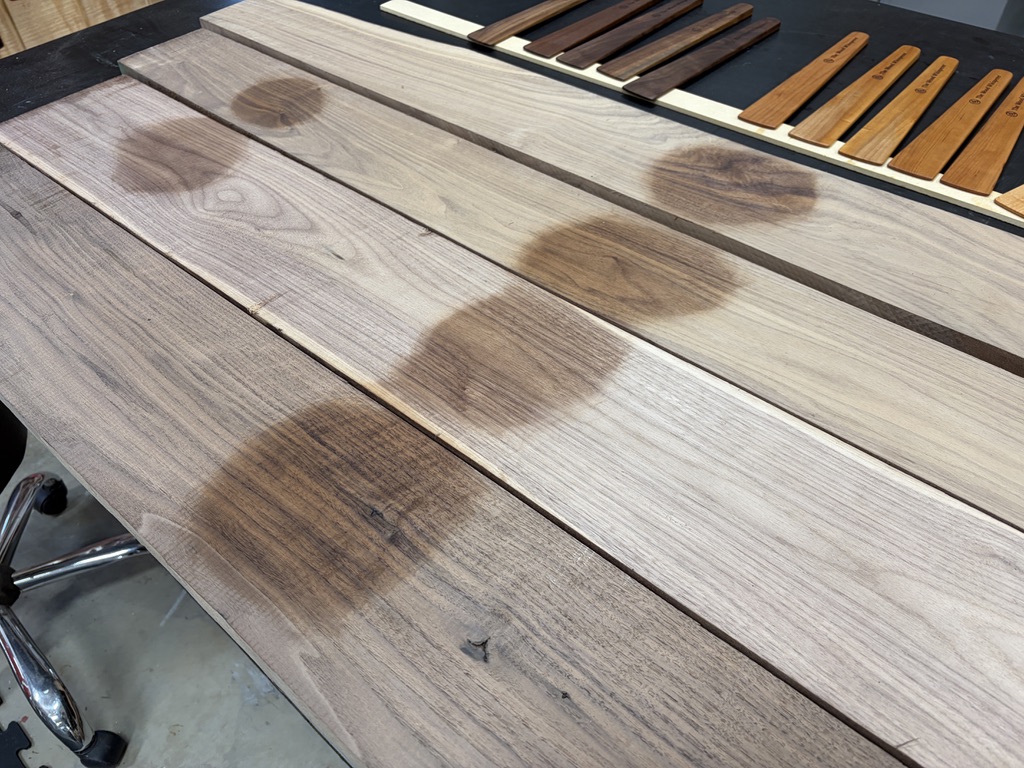
Most oil-based finishes, including Arm-R-Seal, boiled linseed oil, tung oil, and clear hardwax oils, warm and darken the wood. That can look great on walnut or cherry, but it works against you when you want white oak, maple, ash, or birch to stay light and natural. Making matters worse, oil-based finishes can become more yellow or amber with time and exposure.
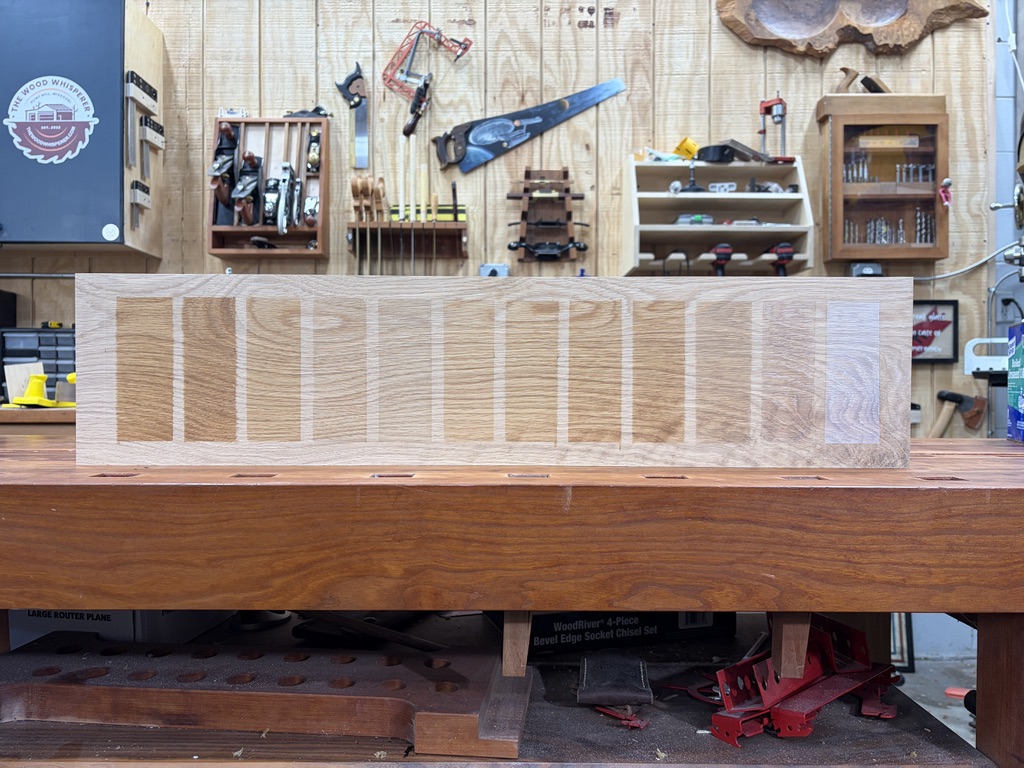
If keeping the wood close to its raw color is the priority, water-based finishes are usually the best place to start. In my recent test of 12 finishes on white oak and maple, the water-based finishes came closest to the pale, muted look of unfinished wood. You can see the full comparison in Best Non-Yellowing Finish for White Oak: 12 Finishes Tested.
But color is only half the battle. Even a perfectly clear finish can look unnatural if you build a thick film or use a high-gloss sheen. If you want a raw look, keep the film thin and stick with satin or matte.
Hardwax Oils Change the Equation
Hardwax oils give us another good option that wasn’t common when I first wrote this article. They leave very little film, keep the texture of the wood, and are generally easy to apply and repair.
The catch is that clear hardwax oils still contain oil, so they will usually warm the wood. Some manufacturers now offer versions with white or gray pigment that helps cancel out that amber color. On white oak, those pigments can settle into the open pores and become part of the look, so be sure to test on scrap first.
Don’t Forget Protection
A matte water-based polyurethane will usually give you more protection than a low-build hardwax oil. The hardwax oil, on the other hand, will generally look and feel more natural and will be easier to repair. So the right answer depends on the project and your preferences.

If your main goal is maximum protection with minimal color change, start with a matte water-based finish. If your priority is a close-to-the-wood look, easy application, and repairability, try a lightly pigmented (with white or gray) hardwax oil. My prefered brand is Natura OneCoat and they offer several varieties with white pigment.
And no matter what you choose, test it on scrap from the actual project. There is no finish that leaves wood completely unchanged. The goal is to make as little change as possible while still giving the piece the protection it needs.